
Grinding ball mill
Products
High-performance grinding ball mill for superior material processing and efficiency
Our grinding ball mills are designed as vital equipment for efficient material processing following the crushing phase. This versatile machinery is widely utilized in various industries, including cement, silicate production, new-type building materials, refractories, fertilizers, glass ceramics, and non-ferrous metals.
Our ball grinding mill is specifically engineered for high-performance grinding, ensuring consistent and uniform particle size reduction, which is crucial for effective material usability. It effectively processes a diverse range of materials, including gold ore, marble, feldspar, quartz, calcite, limestone, copper ore, and iron ore, making it an invaluable addition to any production line.
The energy-saving features not only enhance operational efficiency but also reduce energy costs, contributing to a more sustainable production process. With robust construction and advanced technology, our grinding ball mill promises durability and reliability, ensuring it meets the rigorous demands of modern industrial applications. Invest in our ball mill for superior performance and quality output.
Major Types For Sale:
Ceramic ball mill
Dry ball mill
Gold ball mill
Intermittent ball mill
Fly ash ball mill
Cement ball mill
Air-swept coal mill
Wet pan mill
Wet ball mill
Grate ball mill
Rod mill
Raw material ball mill
Aluminum ash ball mill
Cement ball mill
Ball mill
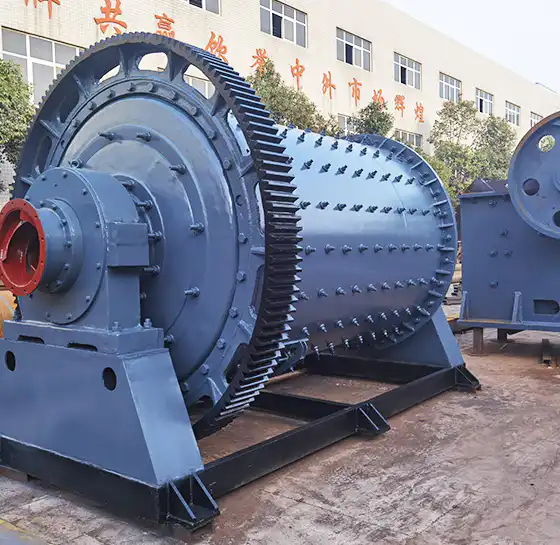
Product Types
Major grinding ball mill for sale in HengXing Machinery
14
Models for sale
Detailed Products
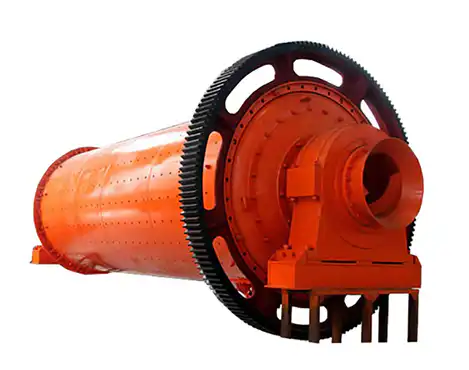
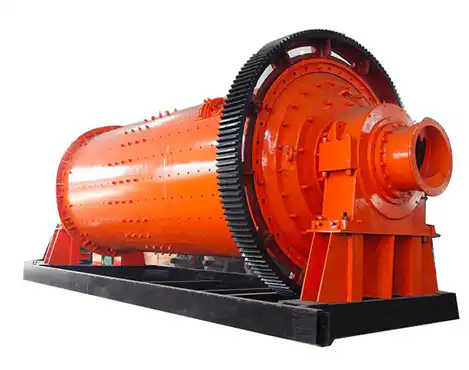
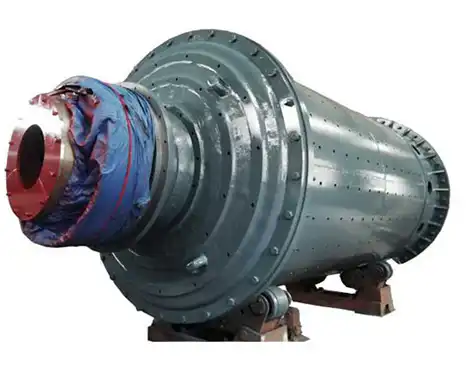
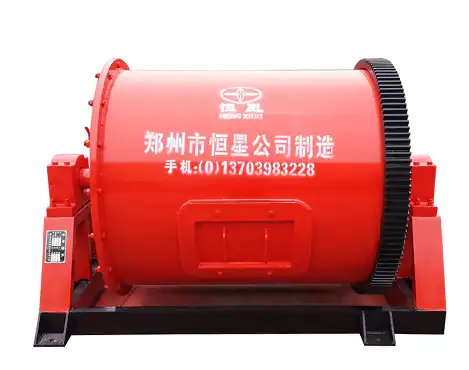
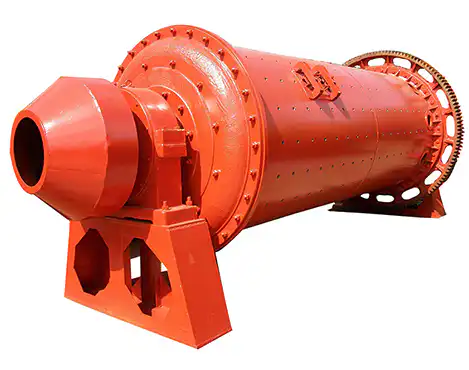
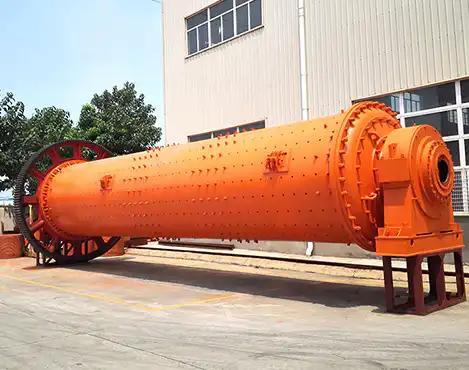
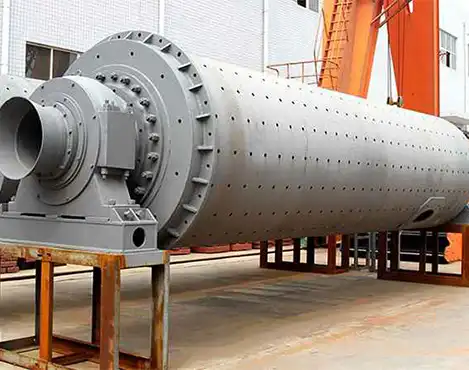
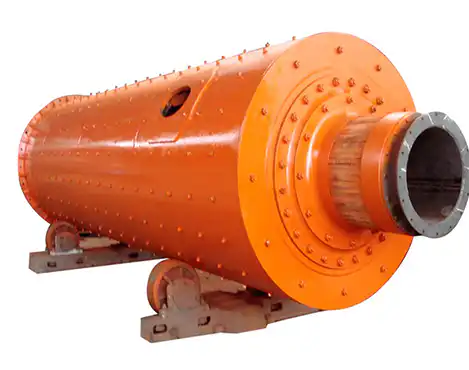
Check our quality grinding ball mill
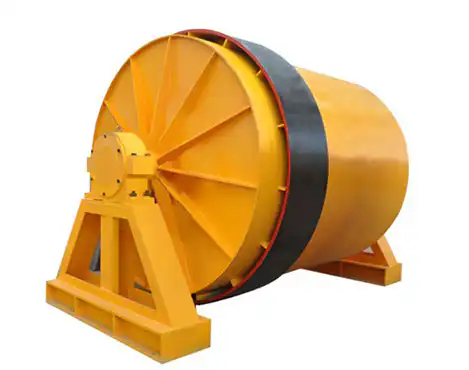
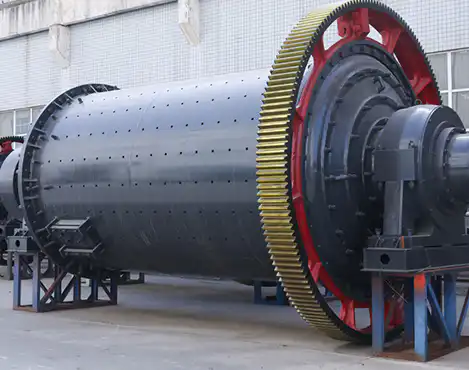
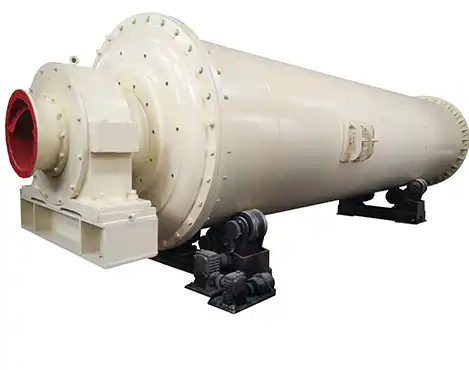
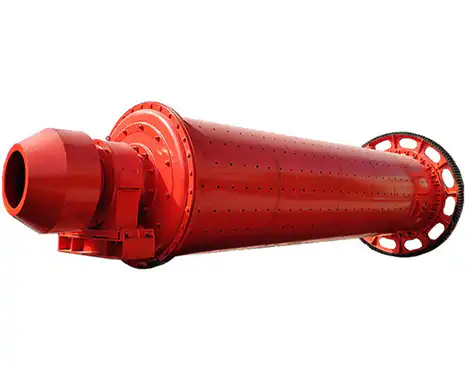
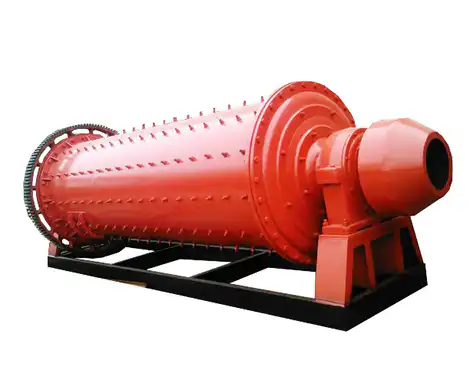
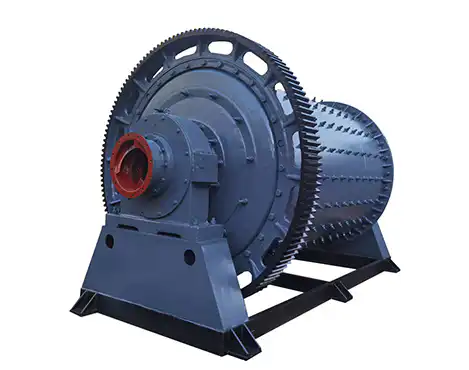
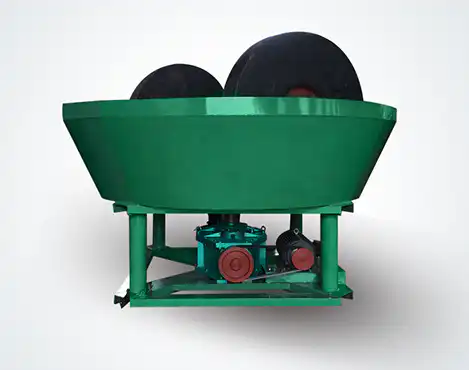
Special Design
The unique design of our ball mill
The lining can be replaced.
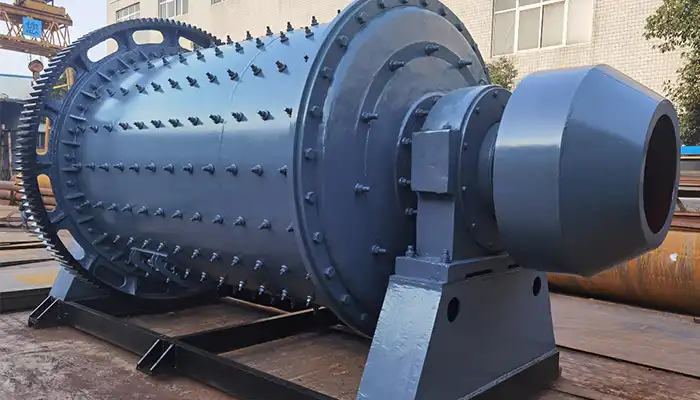
Mineral ball mill is an efficient tool for grinding many materials into fine powder.
Two ways of grinding: the dry way and the wet way.
Ultimate particle size depends entirely on how hard the material you’re grinding is.
As the barrel rotates, the material is crushed between the individual pieces of grinding media that mix and crush the product into fine powder over a period of several hours.
Application
Applications of ball mill crusher in mining: role of ball mills in mineral processing and extraction
Application Industry: Widely used in the cement industry, new construction industry, ferrous and non-ferrous metal beneficiation, glass ceramics and other production industries.
Processing Material: Gold Ore, Marble, Feldspar, Quartz, Calcite, Limestone, Copper Ore, Iron Ore.
Ball mills are essential equipment in the mining industry, primarily used for the grinding and milling of various ores. Their role in mineral processing and extraction is critical, as they facilitate the conversion of raw materials into a more refined product, ready for further processing or sale. Here are some key applications of ball mills in the mining sector:
1. Crushing and Grinding Ore
The primary function of continuous ball mills in mining is the comminution of ore. They are used to grind large chunks of ore into finer particles, increasing the surface area for subsequent extraction processes. This is vital for maximizing the recovery of valuable minerals from various ores, such as gold, copper, iron, and other base metals.
2. Gold Processing
In gold mining, ball mill crushers play a significant role in the extraction process. After the ore is crushed, it is often ground in ball mills to liberate the gold particles, allowing for their separation via flotation or cyanidation. The finer grind achieved in ball mill crushers enhances the recovery rates of gold, making it a crucial component in gold processing plants.
3. Copper and Other Base Metals
Ball mills are commonly utilized for grinding copper ores, often in conjunction with flotation processes. By fine-grinding the ore, ball mills improve the efficiency of the flotation process, whereby copper concentrate can be separated from gangue materials. This application extends to other base metals as well, where the liberation of metal particles through fine grinding is essential.
4. Mineral Beneficiation
In mineral processing, ball mills are integral to the beneficiation of various minerals. They are employed not just for size reduction but also for achieving optimal particle size distributions that are crucial for the efficiency of downstream processes like flotation, leaching, and magnetic separation. The ability of ball mills to produce a uniform particle size improves the consistency of the mineral concentrate.
5. Cement and Construction Materials
Aside from direct mineral processing, ball mill crushers are also used to grind cement and construction materials in mining operations. Often, the by-products of ore processing can be repurposed into cement, requiring the ball mill’s role in producing fine powders ideal for construction uses.
6. Research and Development
In the context of mineral exploration and development, ball mill crushing machines are used in laboratories to simulate grinding operations on a small scale. This research aids in understanding the ore characteristics and the most effective extraction techniques, shaping the design of larger-scale processing plants.
7. Reducing the Size of Industrial Minerals
Rotary ball mill crushing equipment helps in processing industrial minerals, such as feldspar, quartz, and clay. By grinding these materials down to specific particle sizes, ball mills facilitate their application in ceramics, glass, and other industrial products, thus broadening their usability.
Advantages
Advantages of ball milling machine in mining
Versatility: Ball milling machines can grind a wide range of materials, making them suitable for diverse mining applications.
Control Over Product Size: They allow operators to fine-tune the grinding process to achieve desired particle sizes, which are essential for effective mineral extraction.
Scalability: Ball milling machine can be scaled up for industrial production or down for laboratory testing, providing flexibility for research and development.
Low Operational Costs: Despite the initial investment, ball mills typically have lower operational costs over time due to their efficiency and durability.
Continuous Operation: They can operate continuously, which is ideal for large-scale mining operations, enhancing productivity.
Features
We focus on product details and guarantee quality
Working Mode
Working principle of ball mill grinding machine
The ball mill grinding machine is a horizontal cylindrical rotating device driven by a brim gearwheel. It consists of two chambers and a grid. Material enters the first chamber through the feeding inlet, where it encounters stage liners, ripple liners, and steel balls of various sizes. As the shell rotates, it creates an eccentric motion that lifts the balls to a certain height; when the balls drop down due to gravity, they impact and grind the material.
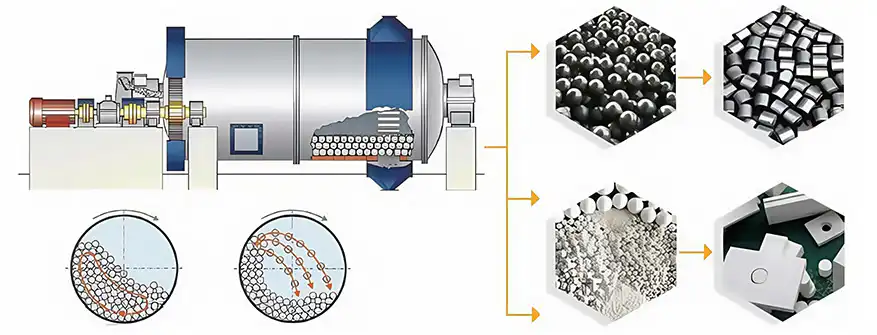
After the initial grinding in the first chamber, the material passes through a segregate screen into the second chamber. This chamber features flat liners and additional steel balls. Following the secondary grinding process, the material is discharged through the discharge screen.
Components
Key components of ball mill equipment
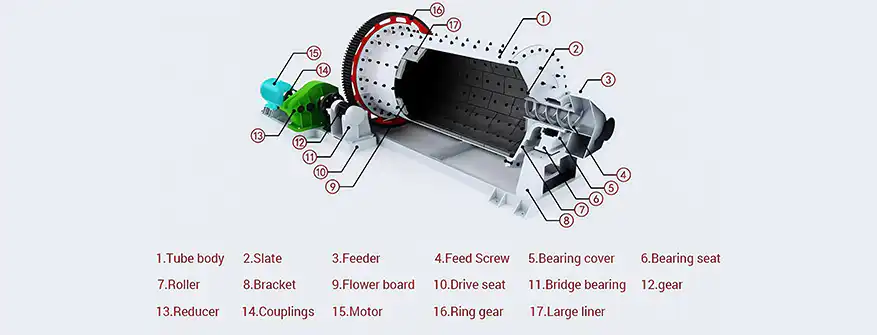
Mill Cylinder: The cylindrical shell of the horizontal ball mill equipment is typically made from steel or rubber-lined to protect it from wear and improve the grinding environment. The length and diameter of the cylinder vary according to the specific application.
Grinding Media: The grinding media are the materials (often steel balls, ceramic balls, or other materials) that provide the necessary energy to reduce the size of the material. The diameter and density of the balls influence the grinding efficiency, with larger and denser balls imparting more energy.
Drive System: The drive system includes the motor and transmission components that power the rotation of the ball mill. It typically uses a gearbox to provide the necessary torque to the mill. The rotation speed, expressed in revolutions per minute (RPM), is crucial for effective grinding.
Feed Mechanism: This involves the equipment responsible for inserting raw material into the mill. The feed can be introduced continuously or batch-wise, with its size and rate of feed directly impacting the grinding process.
Discharge Mechanism: After grinding, the material is discharged from the vibratory ball mill through a screen or grate, allowing fine particles to pass while retaining larger ones for further grinding. This mechanism helps control the particle size distribution and prevents over-grinding.
Liners: The interior surface of the mill is lined with liners, which serve to protect the shell from wear and tear while also enhancing the motion of the grinding media. Liners can be made from different materials, including rubber, composites, or steel, depending on the application.
Classifiers: While not always part of the mill itself, classifiers are often used in conjunction with ball mills to separate fine materials from coarser ones. They help ensure that the optimal particle size is achieved in the final product.
Spec
Specifications of ball mill grinder
| Model | Feeding size (mm) | Discharging size (mm) | Capacity (t) | Motor power (kw) | Total Weight (t) |
| φ 900×1800 | ≤20 | 0.075-0.89 | 0.65-2 | 18.5 | 5.8 |
| φ 900×3000 | ≤20 | 0.075-0.89 | 1.1-3.5 | 22 | 6.8 |
| φ 1200×2400 | ≤25 | 0.075-0.6 | 1.5-4.8 | 30 | 12 |
| φ 1200×3000 | ≤25 | 0.074-0.4 | 1.6-5 | 37 | 13.2 |
| φ 1200×4500 | ≤25 | 0.074-0.4 | 1.6-5.8 | 55 | 13.7 |
| φ 1500×3000 | ≤25 | 0.074-0.4 | 2-5 | 75 | 16.5 |
| φ 1500×4500 | ≤25 | 0.074-0.4 | 3-6 | 110 | 21 |
| φ 1500×5700 | ≤25 | 0.074-0.4 | 3.5-6 | 130 | 24.7 |
| φ 1830×3000 | ≤25 | 0.074-0.4 | 4-10 | 130 | 34.5 |
| φ 1830×4500 | ≤25 | 0.074-0.4 | 4.5-12 | 155 | 38 |
| φ 1830×6400 | ≤25 | 0.074-0.4 | 6.5-15 | 210 | 46 |
| φ 1830×7000 | ≤25 | 0.074-0.4 | 7.5-17 | 245 | 49 |
| φ 2100×3000 | ≤25 | 0.074-0.4 | 6.5-36 | 155 | 48 |
| φ 2100×4500 | ≤25 | 0.074-0.4 | 8-43 | 245 | 59 |
| φ 2100×7000 | ≤25 | 0.074-0.4 | 8-48 | 280 | 67.5 |
| φ 2200×4500 | ≤25 | 0.074-0.4 | 9-45 | 280 | 58 |
| φ 2200×6500 | ≤25 | 0.074-0.4 | 14-26 | 380 | 63 |
| φ 2200×7000 | ≤25 | 0.074-0.4 | 15-28 | 380 | 65.3 |
| φ 2200×7500 | ≤25 | 0.074-0.4 | 15-30 | 380 | 66.5 |
| φ 2400×3000 | ≤25 | 0.074-0.4 | 7-50 | 245 | 65 |
| φ 2400×4500 | ≤25 | 0.074-0.4 | 8.5-60 | 320 | 70 |
| φ 2700×4000 | ≤25 | 0.074-0.4 | 12-80 | 400 | 92 |
| φ 2700×4500 | ≤25 | 0.074-0.4 | 12-90 | 430 | 102 |
| φ 3200×4500 | ≤25 | 0.074-0.4 | Determined by the technological process | 600 | 137 |
| φ 3600×4500 | ≤25 | 0.074-0.4 | Determined by the technological process | 850 | 158 |
| φ3600×6000 | ≤25 | 0.074-0.4 | Determined by the technological process | 1250 | 175 |
Principle
Operating principles ball mill grinding plant
- Impact and Attrition: The primary forces involved in ball milling are impact (when a ball falls and strikes the material) and attrition (when materials are ground against each other). These actions break down particles into finer sizes.
- Charge Dynamics: Inside the mill, the charge (the combination of grinding media and material being processed) must be balanced to achieve effective grinding. An optimal filling level ensures maximum contact between the grinding media and the material.
- Critical Speed: The critical speed of a ball mill is the speed at which the centrifugal force pushing the grinding media against the wall is equal to the gravitational force pulling them down. Operating below the critical speed ensures effective grinding while operating above can lead to reduced efficiency.
- Grinding Cycle: The grinding process occurs in cycles, wherein the materials are charged into the mill, ground, and then removed through the discharge mechanism. The time taken for grinding, the size of the media, and the rotational speed collectively dictate efficiency and product size.
Don’t hesitate to contact us ANY TIME
We encourage you to reach out to us at any time for questions, support, or inquiries. Our dedicated team is always available to assist you with your needs, ensuring that you receive timely and effective solutions whenever you require them.
Differences
Wet ball mill vs. dry ball mill
Wet and dry ball mills are two distinct types of grinding equipment used in mineral processing and industrial applications, and they operate based on different principles and conditions.
Wet ball mill:
Wet ball mills utilize water or another liquid as a medium, which not only forms a slurry with the material being ground but also provides lubrication during the milling process. This configuration tends to produce finer particles due to the balls’ and slurry’s continuous motion and interaction. Furthermore, the added liquid aids in reducing dust and enhances the efficiency of the grinding process. Wet milling is typically used in applications where the product needs to be in a suspended state, such as in the production of clay, ceramic materials, or food products.
Dry ball mill:
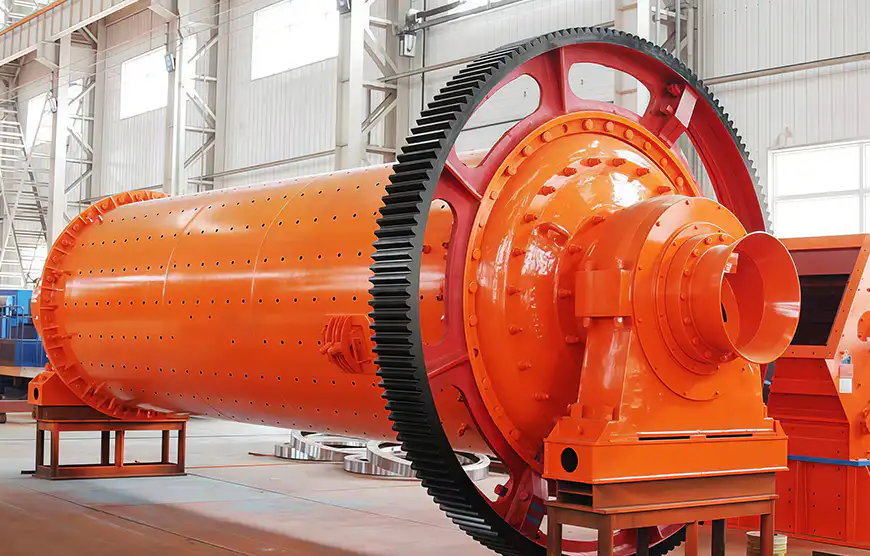
In contrast, dry ball mills operate without any liquid, relying solely on gravity and mechanical interaction. This type of milling is conducive for materials that need to be dried or for those that are not compatible with water. Dry milling is often used to produce powders for paints, pharmaceuticals, and other industries. The absence of a liquid medium means that particle size control can be more challenging, potentially resulting in coarser outputs.
Ultimately, the choice between wet and dry ball milling depends on the specific requirements of the material being processed and the desired properties of the final product.
Size Range
Impact of ball size on grinding efficiency
The size of the grinding balls used in a ball mill significantly influences the efficiency of the grinding process and the quality of the final product. Various factors, including material characteristics, mill operating conditions, and the specific goals of the grinding operation, determine the ideal ball size for optimal performance. Here’s a closer look at how varying ball sizes impact the grinding process.
1. Energy Transfer and Impact Force
The size of the balls affects how energy is transferred during the grinding process. Larger balls have greater mass and can impart more energy with each impact, making them effective for breaking down larger and harder particles. However, if the balls are too large relative to the material being processed, they may not achieve the desired grinding efficiency. Conversely, smaller balls provide less energy per hit but can create finer particle sizes due to greater surface area contact and more frequent impacts.
2. Particle Size Reduction
The energy generated by the balls is a crucial factor in the particle size reduction process. Larger balls tend to be more effective in reducing larger particles during the initial stages of grinding. As the material progresses to finer sizes, smaller balls become more efficient as they can create higher surface area interactions and facilitate the grinding of smaller particles. This means that to achieve an optimal balance in grinding, a mix of different ball sizes is often recommended.
3. Ball Size Distribution
Using a combination of different ball sizes (a graded ball charge) can enhance the overall grinding efficiency. This approach allows for better energy segmentation: larger balls provide impact energy for coarser material, while smaller balls contribute to the final size reduction of finer particles. This gradual size reduction leads to a more uniform product granularity and can improve overall throughput.
4. Filling Ratio
The filling ratio of the ball mill refers to the proportion of the mill’s volume that is occupied by the grinding media. Different ball sizes affect the filling ratio and, consequently, the overall efficiency of the milling operation. Smaller balls typically require a higher ball filling ratio to achieve similar energy transfer compared to larger balls. Finding the optimal filling ratio relative to the ball size used is critical for maximizing grinding efficiency.
5. Wear and Tear
Different ball sizes also impact the wear rates of both the grinding media and the mill itself. Larger balls can cause higher wear rates on liners due to greater impact forces. On the other hand, smaller balls may wear out more quickly, necessitating more frequent replacements. Understanding the trade-off between ball size, wear rates, and costs is essential for maintaining efficient operation.
6. Final Product Quality
The particle size distribution (PSD) of the final product is heavily influenced by the size of the grinding balls. A well-chosen ball size can optimize the PSD, leading to desirable qualities in the final product. Finer particles achieved through smaller balls may improve qualities such as reactivity and solubility, making them essential in industries like pharmaceuticals, ceramics, and construction.
7. Operating Conditions
The effectiveness of varying ball sizes can also depend on operational parameters such as mill speed, type of material being processed, and grinding duration. Higher mill speeds may amplify the importance of ball size, as the centrifugal forces affect the trajectory of the balls and their subsequent impact on the material.
Cost
Cost analysis of ball mill operations
Ball mills are essential components in various industries, especially in mining and mineral processing. A thorough understanding of the costs associated with their operation is crucial for maintaining profitability. This analysis breaks down the various cost components and explores strategies to enhance cost efficiency.
1. Cost Components of Ball Mill Operations
- Initial Capital Investment: This includes the costs of purchasing the ball mill itself, as well as associated equipment such as feeders, conveyors, and classifiers. Depending on the specifications and capacity, these initial costs can be substantial.
- Operational Costs:
- Energy Costs: A significant portion of total operating expenses in ball mill operations is attributed to energy consumption. Ball mills consume large amounts of electricity to rotate and grind materials, and electricity prices can significantly impact overall costs.
- Labor Costs: Labor is required for operating the mills, maintaining equipment, and managing the overall process. As such, staffing levels and labor rates influence operational costs.
- Maintenance and Repair Costs: Regular maintenance is essential to ensure optimal performance and minimize downtime. This includes costs associated with routine inspections, wear and tear on grinding media, and replacing liners, bearings, and other components.
- Grinding Media Costs: The type and quantity of grinding media directly impact operational expenses. Steel balls, ceramic balls, or other grinding media have different purchase costs, wear rates, and lifespans, affecting the overall milling budget.
- Process Consumables: Additional consumables such as liners and wear parts, lubricants, and other chemicals contribute to operational costs. The frequency of replacement and unit pricing can significantly affect overall expenses.
- Waste and Environmental Costs: The disposal of grinding residues, dust control measures, and compliance with environmental regulations can incur additional costs.
- Depreciation: The depreciation of the equipment and any associated infrastructure needs to be factored into the total cost analysis as it affects the long-term financial planning of operations.
2. Ways to Improve Profitability
Comprehensive Training for Staff: An adequately trained workforce can optimize equipment operation, reduce errors, and increase overall efficiency. Regular training sessions can help staff keep abreast of the latest technologies and best practices.
Energy Efficiency: Reducing energy consumption is one of the most impactful ways to decrease operational costs. Implementing advanced technologies, optimizing mill speed, and using variable frequency drives can improve energy efficiency. Regular monitoring of energy usage and adjustments to grinding parameters can also yield cost savings.
Optimizing Grinding Media: Selecting the right type and size of grinding media can enhance grinding efficiency and reduce replacement costs. Utilizing a combination of different ball sizes may lead to improved energy transfer and better particle size distribution, reducing overall media consumption.
Regular Maintenance and Upgrades: Investing in regular maintenance can prevent costly downtime and extend the lifespan of equipment. Upgrading to high-efficiency liners and wear-resistant materials can reduce wear rates, saving on replacement costs and improving productivity.
Process Optimization: Employing process control strategies, such as real-time monitoring and automated adjustments, can optimize the grinding process. Fine-tuning feed rates, mill speed, and the composition of the milling charge can lead to improved throughput and reduced operational costs.
Investing in Automation: Automation technologies can help minimize labor costs, enhance process control, and improve operational efficiency. Automated systems for monitoring and adjusting milling operations can lead to better performance and resource allocation.
Minimizing Waste and Enhancing Environmental Management: Implementing effective waste management strategies can reduce disposal costs and improve environmental compliance. Efficient use of resources minimizes waste generation and enhances profitability.
Efficiency
Optimization of grinding process: techniques to enhance efficiency and output
Optimizing the grinding process in ball mills and other grinding systems is essential for maximizing efficiency, reducing operational costs, and improving product quality. Several techniques and strategies can be employed to achieve enhanced grinding performance and output. Here are key methods to consider:
1. Process Control and Automation
- Real-time Monitoring: Implementing real-time monitoring systems for parameters such as particle size, throughput, temperature, and energy consumption allows for immediate adjustments to optimize grinding conditions.
- Automated Control Systems: Utilizing automated control systems, such as advanced process control (APC), can help in maintaining optimal operating conditions by automatically adjusting variables based on feedback from monitoring systems.
2. Optimization of Grinding Media
- Selection of Media Type and Size: Choosing the appropriate type and size of grinding media is crucial. Smaller media can produce finer particles, while larger media are better for breaking down coarser materials. A combination of different media sizes can maximize energy transfer and grinding efficiency.
- Media Wear Management: Monitoring the wear rates of grinding media and optimizing their replacement schedules can lead to cost savings and enhanced grinding performance. Using durable materials can also improve the longevity of grinding media.
3. Adjustment of Operating Parameters
- Mill Speed Optimization: Adjusting the rotational speed of the mill can influence the energy transfer and grinding efficiency. Operating below critical speed optimizes the cascading action of the media and can enhance grinding results.
- Filling Level Control: Maintaining the optimal filling level of the mill ensures adequate contact between grinding media and the material being processed. An underfilled mill may result in inefficient grinding, while an overfilled mill can lead to excessive wear and energy consumption.
- Residence Time Management: Adjusting the residence time of materials in the mill can help achieve the desired particle size. This can be controlled by regulating the feed rate, discharge mechanism, and flow characteristics of the material.
4. Material Properties Involvement
- Feed Size Reduction: Pre-crushing larger materials before feeding them into the ball mill can lead to significant energy savings and improved grinding efficiency, allowing the mill to operate more effectively.
- Understanding Material Characteristics: Analyzing the physical and chemical properties of the materials being processed (e.g., hardness, size, moisture content) enables tailored adjustments to grinding conditions that optimize the process.
5. Integrated Circuit Design
- Circuit Configuration: Designing an integrated grinding circuit that includes classifiers or screens to recycle coarse materials back into the mill can improve overall efficiency. Closed-circuit operations generally yield better results than open-circuit processes.
- Batch vs. Continuous Operations: Selecting between batch and continuous milling processes based on the application can influence productivity. Continuous operations may provide consistent throughput and particle size control.
6. Optimization of Liner and Equipment Design
- Liner Material and Design: Selecting appropriate liner materials and designs can reduce wear and enhance the flow of material and grinding media. Well-designed liners can improve the grinding action and prolong the lifespan of the mill.
- Regular Maintenance Practices: Implementing preventive maintenance strategies ensures that equipment operates smoothly. Regular inspections of equipment, liners, and discharge mechanisms reduce unexpected downtime and maintenance costs.
7. Utilization of Additives
Mineral Additives: In some instances, adding specific minerals during the grinding process can enhance the metal recovery rates and overall product quality.y.
Grinding Aids: The introduction of grinding aids—chemicals that improve the efficiency of the grinding process—can help reduce energy consumption and improve the flowability of the material, leading to better performance.
