
Broyeur à boulets
Produits
Broyeur à boulets haute performance pour un traitement et une efficacité des matériaux supérieurs
Nos broyeurs à boulets sont conçus comme des équipements indispensables pour un traitement efficace des matériaux après la phase de concassage. Ces machines polyvalentes sont largement utilisées dans diverses industries, notamment le ciment, la production de silicate, les nouveaux types de matériaux de construction, les réfractaires, les engrais, la vitrocéramique et les métaux non ferreux.
Notre broyeur à boulets est spécialement conçu pour un broyage à haute performance, garantissant une réduction granulométrique constante et uniforme, essentielle pour une utilisation efficace des matériaux. Il traite efficacement une large gamme de matériaux, notamment le minerai d'or, le marbre, le feldspath, le quartz, la calcite, le calcaire, le minerai de cuivre et le minerai de fer, ce qui en fait un ajout précieux à toute ligne de production.
Les fonctions d'économie d'énergie améliorent non seulement l'efficacité opérationnelle, mais réduisent également les coûts énergétiques, contribuant ainsi à un processus de production plus durable. Grâce à une construction robuste et à une technologie de pointe, notre broyeur à boulets promet durabilité et fiabilité, garantissant qu'il répond aux exigences rigoureuses des applications industrielles modernes. Investissez dans notre broyeur à boulets pour des performances supérieures et une production de qualité.
Principaux types à vendre :
Broyeur à boulets en céramique
Broyeur à boulets à sec
Broyeur à boulets d'or
Broyeur à boulets intermittent
Broyeur à boulets pour cendres volantes
Broyeur à boulets de ciment
Broyeur à charbon à balayage d'air
Broyeur à meules humides
Broyeur à boulets humide
Broyeur à boulets à grille
Laminoir à barres
Broyeur à boulets de matières premières
Broyeur à boulets de cendres d'aluminium
Broyeur à boulets de ciment
Broyeur à boulets
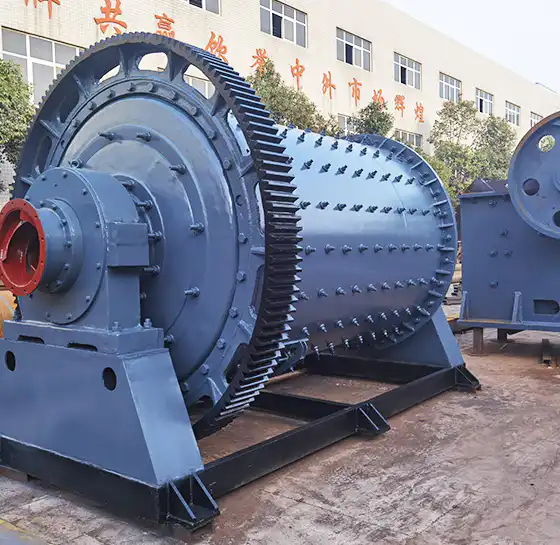
Types de produits
Broyeur à boulets de grande taille à vendre chez HengXing Machinery
14
Modèles à vendre
Produits détaillés
Découvrez notre broyeur à boulets de qualité
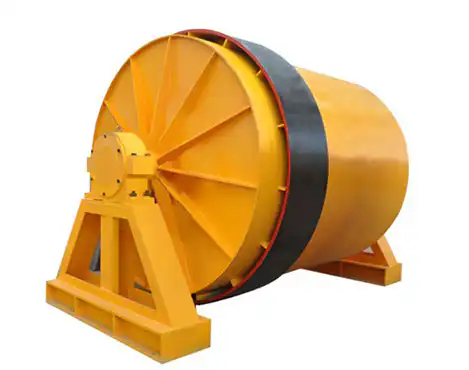
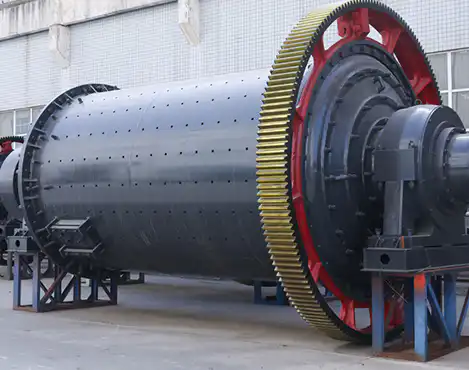
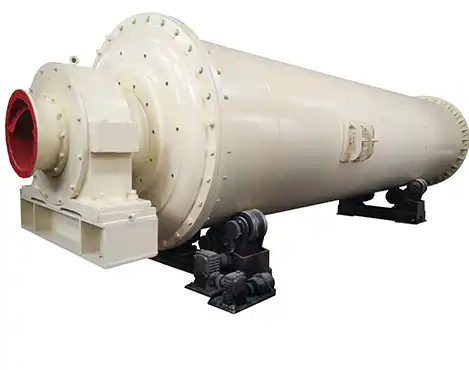
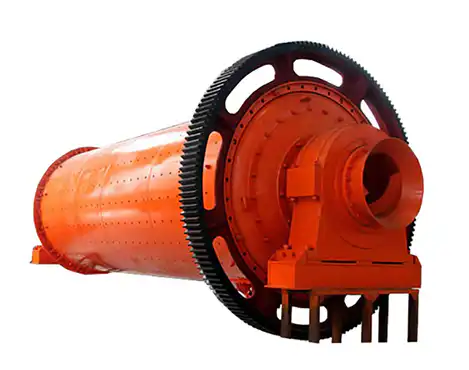
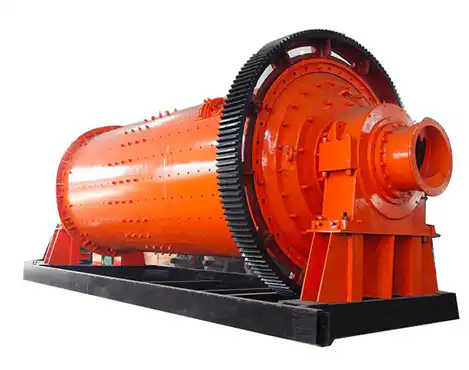
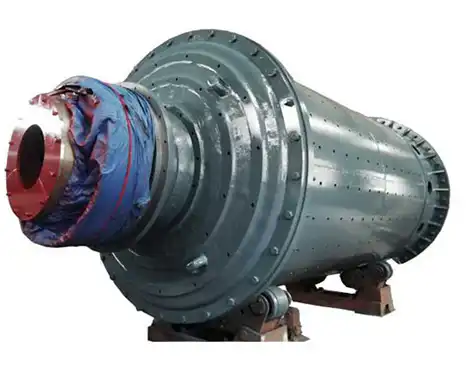
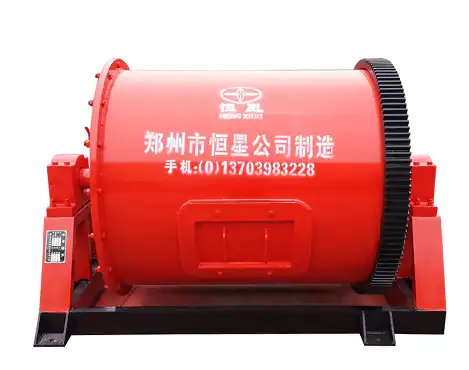
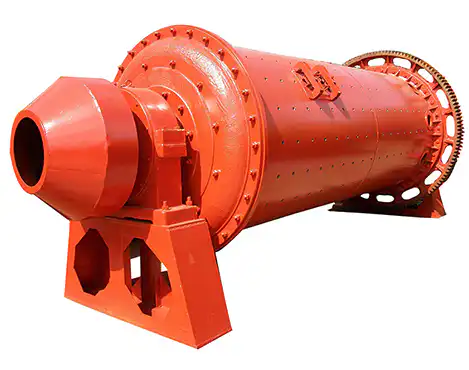
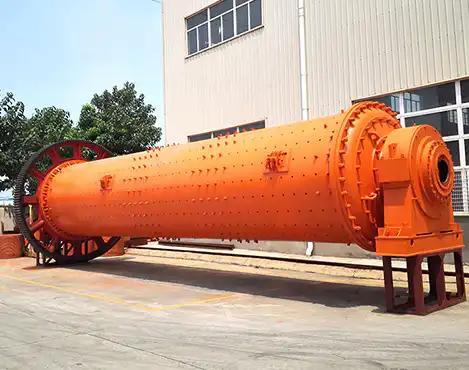
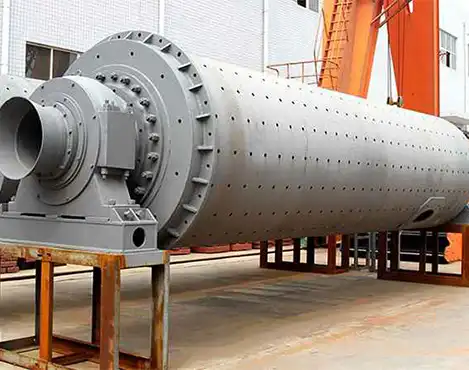
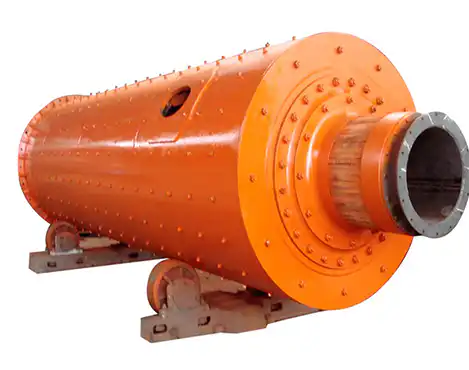
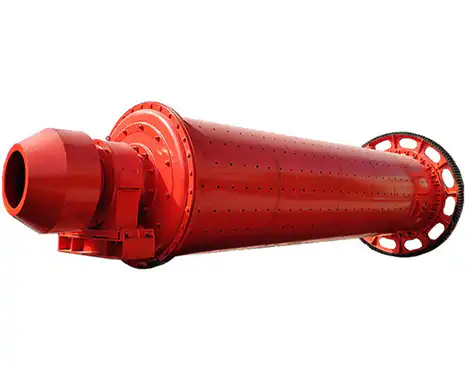
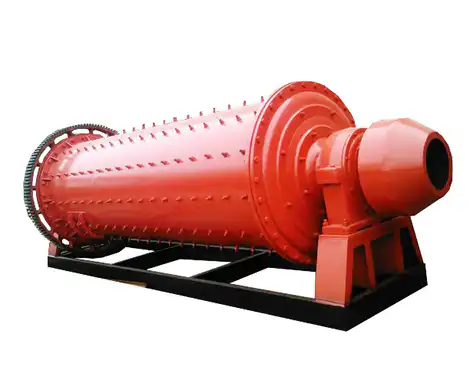
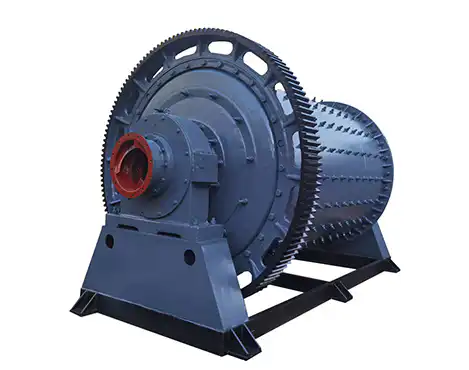
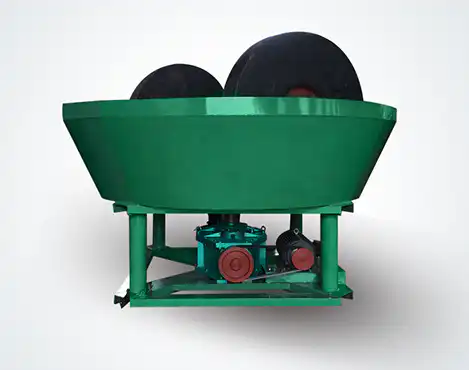
Conception Spéciale
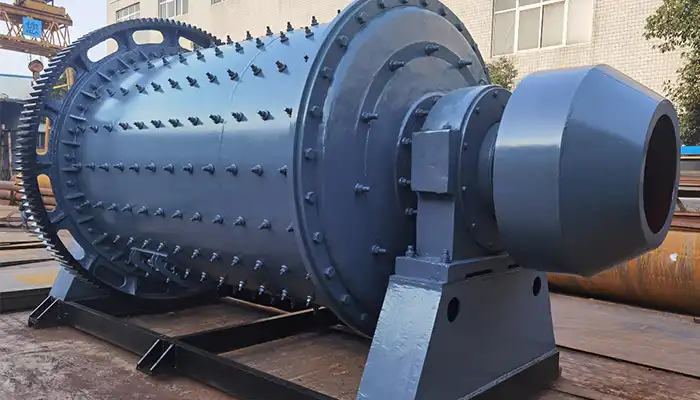
La conception unique de notre broyeur à boulets
Le revêtement peut être remplacé.
Le broyeur à boulets minéral est un outil efficace pour broyer de nombreux matériaux en poudre fine.
Deux modes de broyage : par voie sèche et par voie humide.
La granulométrie finale dépend entièrement de la dureté du matériau que vous broyez.
Lorsque le tambour tourne, le matériau est écrasé entre les éléments individuels de média de broyage qui mélangent et réduisent le produit en poudre fine sur une période de plusieurs heures.
Application
Applications du broyeur à boulets dans l'exploitation minière : rôle des broyeurs à boulets dans le traitement et l'extraction des minéraux
Secteur d'Application : Large utilisation dans l'industrie du ciment, la nouvelle industrie de la construction, la valorisation des métaux ferreux et non ferreux, la production de verre, céramiques et autres industries.
Matériaux Traités : Minerai d'or, Marbre, Feldspath, Quartz, Calcite, Calcaire, Minerai de cuivre, Minerai de fer.
Les broyeurs à boulets sont des équipements essentiels dans l'industrie minière, principalement utilisés pour le broyage et la mouture de divers minerais. Leur rôle dans le traitement et l'extraction des minéraux est crucial, car ils facilitent la transformation des matières premières en un produit plus raffiné, prêt pour un traitement ultérieur ou la vente. Voici quelques applications clés des broyeurs à boulets dans le secteur minier :
1. Concassage et Broyage du Minerai
La fonction principale des broyeurs à boulets continus dans l'exploitation minière est la comminution du minerai. Ils sont utilisés pour broyer de gros morceaux de minerai en particules plus fines, augmentant ainsi la surface pour les processus d'extraction ultérieurs. Ceci est essentiel pour maximiser la récupération des minéraux précieux à partir de divers minerais, tels que l'or, le cuivre, le fer et d'autres métaux de base.
2. Traitement de l'Or
Dans l'extraction de l'or, les broyeurs à boulets jouent un rôle significatif dans le processus d'extraction. Après le concassage du minerai, il est souvent broyé dans des broyeurs à boulets pour libérer les particules d'or, permettant leur séparation par flottation ou cyanuration. Le broyage plus fin obtenu dans les broyeurs à boulets améliore les taux de récupération de l'or, en faisant un composant crucial dans les usines de traitement de l'or.
3. Cuivre et Autres Métaux de Base
Les broyeurs à boulets sont couramment utilisés pour broyer les minerais de cuivre, souvent en conjonction avec des procédés de flottation. En broyant finement le minerai, les broyeurs à boulets améliorent l'efficacité du processus de flottation, permettant ainsi de séparer le concentré de cuivre des matériaux stériles. Cette application s'étend également à d'autres métaux de base, où la libération des particules métalliques par broyage fin est essentielle.
4. Valorisation Minérale
Dans le traitement des minéraux, les broyeurs à boulets sont essentiels à la valorisation de divers minéraux. Ils sont employés non seulement pour la réduction de taille, mais aussi pour obtenir des distributions granulométriques optimales, cruciales pour l'efficacité des procédés en aval comme la flottation, la lixiviation et la séparation magnétique. La capacité des broyeurs à boulets à produire une granulométrie uniforme améliore la cohérence du concentré minéral.
5. Ciment et Matériaux de Construction
Outre le traitement direct des minéraux, les broyeurs à boulets sont également utilisés pour broyer le ciment et les matériaux de construction dans les opérations minières. Souvent, les sous-produits du traitement du minerai peuvent être réutilisés dans le ciment, nécessitant le rôle du broyeur à boulets pour produire des poudres fines idéales pour les usages de construction.
6. Recherche et Développement
Dans le contexte de l'exploration et du développement minéral, les broyeurs à boulets sont utilisés en laboratoire pour simuler des opérations de broyage à petite échelle. Cette recherche aide à comprendre les caractéristiques du minerai et les techniques d'extraction les plus efficaces, influençant la conception d'usines de traitement à plus grande échelle.
7. Réduction de la Taille des Minéraux Industriels
Les équipements de broyage à boulets rotatifs aident à traiter les minéraux industriels, tels que le feldspath, le quartz et l'argile. En broyant ces matériaux à des tailles de particules spécifiques, les broyeurs à boulets facilitent leur application dans la céramique, le verre et d'autres produits industriels, élargissant ainsi leur utilité.
Avantages
Avantages de la machine de broyage à boulets dans l'exploitation minière
Polyvalence: Les machines de broyage à boulets peuvent broyer une large gamme de matériaux, ce qui les rend adaptées à diverses applications minières.
Contrôle de la taille du produit: Elles permettent aux opérateurs d'ajuster finement le processus de broyage pour obtenir les tailles de particules souhaitées, essentielles pour une extraction minérale efficace.
Évolutivité: La machine de broyage à boulets peut être adaptée à la production industrielle ou réduite pour des tests en laboratoire, offrant une flexibilité pour la recherche et le développement.
Faibles coûts d'exploitation: Malgré l'investissement initial, les broyeurs à boulets ont généralement des coûts d'exploitation plus faibles à long terme en raison de leur efficacité et de leur durabilité.
Fonctionnement continu: Ils peuvent fonctionner en continu, ce qui est idéal pour les opérations minières à grande échelle, améliorant ainsi la productivité.
Caractéristiques
Nous nous concentrons sur les détails du produit et garantissons la qualité
03
Compatibilité des matériaux polyvalents
Capable de traiter une large gamme de matériaux, y compris les métaux précieux et les minéraux industriels, notre broyeur à boulets s'adapte parfaitement à diverses applications, le rendant ainsi adapté à divers besoins de production.
Mode de fonctionnement
Principe de fonctionnement de la machine de broyage à boulets
La machine de broyage à boulets est un dispositif rotatif cylindrique horizontal entraîné par une couronne dentée. Elle se compose de deux compartiments et d'une grille. Le matériau pénètre dans le premier compartiment par l'orifice d'alimentation, où il rencontre des blindages d'étage, des blindages ondulés et des boulets en acier de différentes tailles. Lorsque la coque tourne, elle crée un mouvement excentrique qui soulève les boulets à une certaine hauteur ; lorsque les boulets retombent sous l'effet de la gravité, ils impactent et broient le matériau.
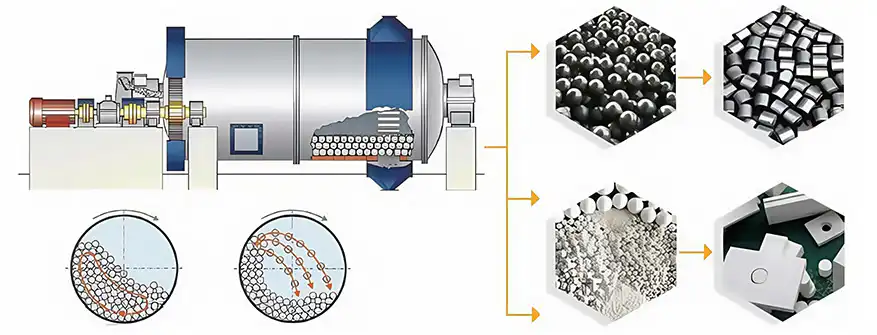
Après le broyage initial dans le premier compartiment, le matériau passe à travers un tamis de séparation dans le deuxième compartiment. Ce compartiment est équipé de blindages plats et de boulets en acier supplémentaires. Après le processus de broyage secondaire, le matériau est déchargé par le tamis de décharge.
Composants
Composants clés de l'équipement de broyeur à boulets
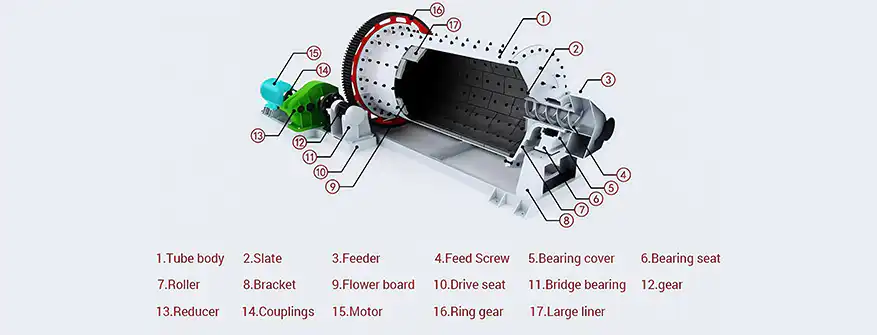
Cylindre du broyeur: La coque cylindrique de l'équipement de broyeur à boulets horizontal est généralement en acier ou revêtue de caoutchouc pour la protéger de l'usure et améliorer l'environnement de broyage. La longueur et le diamètre du cylindre varient en fonction de l'application spécifique.
Milieu de broyage: Les milieux de broyage sont les matériaux (souvent des boulets en acier, des boulets en céramique ou d'autres matériaux) qui fournissent l'énergie nécessaire pour réduire la taille du matériau. Le diamètre et la densité des boulets influencent l'efficacité du broyage, les boulets plus gros et plus denses transmettant plus d'énergie.
Système d'entraînement: Le système d'entraînement comprend le moteur et les composants de transmission qui alimentent la rotation du broyeur à boulets. Il utilise généralement une boîte de vitesses pour fournir le couple nécessaire au broyeur. La vitesse de rotation, exprimée en tours par minute (RPM), est cruciale pour un broyage efficace.
Mécanisme d'alimentation: Cela implique l'équipement responsable de l'introduction de la matière première dans le broyeur. L'alimentation peut être introduite en continu ou par lots, sa taille et son débit ayant un impact direct sur le processus de broyage.
Mécanisme de décharge: Après le broyage, le matériau est déchargé du broyeur à boulets vibrant à travers un tamis ou une grille, permettant aux particules fines de passer tout en retenant les plus grosses pour un broyage ultérieur. Ce mécanisme aide à contrôler la distribution granulométrique et empêche le surbroyage.
Blindages: La surface intérieure du broyeur est revêtue de blindages, qui servent à protéger la coque de l'usure tout en améliorant le mouvement des milieux de broyage. Les blindages peuvent être fabriqués à partir de différents matériaux, notamment le caoutchouc, les composites ou l'acier, selon l'application.
Classificateurs: Bien qu'ils ne fassent pas toujours partie du broyeur lui-même, les classificateurs sont souvent utilisés en conjonction avec les broyeurs à boulets pour séparer les matériaux fins des plus grossiers. Ils aident à garantir que la taille de particule optimale est atteinte dans le produit final.
Caractéristiques Techniques
Spécifications du broyeur à boulets
| Modèle | Granulométrie d'alimentation (mm) | Granulométrie de décharge (mm) | Capacité (t) | Puissance du moteur (kW) | Poids total (t) |
| φ 900×1800 | ≤20 | 0.075-0.89 | 0.65-2 | 18.5 | 5.8 |
| φ 900×3000 | ≤20 | 0.075-0.89 | 1.1-3.5 | 22 | 6.8 |
| φ 1200×2400 | ≤25 | 0.075-0.6 | 1.5-4.8 | 30 | 12 |
| φ 1200×3000 | ≤25 | 0.074-0.4 | 1.6-5 | 37 | 13.2 |
| φ 1200×4500 | ≤25 | 0.074-0.4 | 1.6-5.8 | 55 | 13.7 |
| φ 1500×3000 | ≤25 | 0.074-0.4 | 2-5 | 75 | 16.5 |
| φ 1500×4500 | ≤25 | 0.074-0.4 | 3-6 | 110 | 21 |
| φ 1500×5700 | ≤25 | 0.074-0.4 | 3.5-6 | 130 | 24.7 |
| φ 1830 × 3000 | ≤25 | 0.074-0.4 | 4-10 | 130 | 34.5 |
| φ 1830 × 4500 | ≤25 | 0.074-0.4 | 4.5-12 | 155 | 38 |
| φ 1830 × 6400 | ≤25 | 0.074-0.4 | 6.5-15 | 210 | 46 |
| φ 1830 × 7000 | ≤25 | 0.074-0.4 | 7.5-17 | 245 | 49 |
| φ 2100 × 3000 | ≤25 | 0.074-0.4 | 6.5-36 | 155 | 48 |
| φ 2100 × 4500 | ≤25 | 0.074-0.4 | 8-43 | 245 | 59 |
| φ 2100 × 7000 | ≤25 | 0.074-0.4 | 8-48 | 280 | 67.5 |
| φ 2200 × 4500 | ≤25 | 0.074-0.4 | 9-45 | 280 | 58 |
| φ 2200 × 6500 | ≤25 | 0.074-0.4 | 14-26 | 380 | 63 |
| φ 2200 × 7000 | ≤25 | 0.074-0.4 | 15-28 | 380 | 65.3 |
| φ 2200 × 7500 | ≤25 | 0.074-0.4 | 15-30 | 380 | 66.5 |
| φ 2400 × 3000 | ≤25 | 0.074-0.4 | 7-50 | 245 | 65 |
| φ 2400 × 4500 | ≤25 | 0.074-0.4 | 8.5-60 | 320 | 70 |
| φ 2700 × 4000 | ≤25 | 0.074-0.4 | 12-80 | 400 | 92 |
| φ 2700 × 4500 | ≤25 | 0.074-0.4 | 12-90 | 430 | 102 |
| φ 3200 × 4500 | ≤25 | 0.074-0.4 | Déterminé par le processus technologique | 600 | 137 |
| φ 3600 × 4500 | ≤25 | 0.074-0.4 | Déterminé par le processus technologique | 850 | 158 |
| φ 3600×6000 | ≤25 | 0.074-0.4 | Déterminé par le processus technologique | 1250 | 175 |
Principe
Principes de fonctionnement d'une installation de broyage à boulets
- Impact et attrition: Les forces principales impliquées dans le broyage à boulets sont l'impact (lorsqu'un boulet tombe et frappe le matériau) et l'attrition (lorsque les matériaux sont broyés les uns contre les autres). Ces actions décomposent les particules en tailles plus fines.
- Dynamique de la charge: À l'intérieur du broyeur, la charge (la combinaison du milieu de broyage et du matériau traité) doit être équilibrée pour obtenir un broyage efficace. Un niveau de remplissage optimal garantit un contact maximal entre le milieu de broyage et le matériau.
- Vitesse critique: La vitesse critique d'un broyeur à boulets est la vitesse à laquelle la force centrifuge poussant le milieu de broyage contre la paroi est égale à la force gravitationnelle le tirant vers le bas. Fonctionner en dessous de la vitesse critique garantit un broyage efficace, tandis que fonctionner au-dessus peut entraîner une efficacité réduite.
- Cycle de broyage: Le processus de broyage se déroule par cycles, où les matériaux sont chargés dans le broyeur, broyés, puis retirés par le mécanisme de décharge. Le temps de broyage, la taille du milieu et la vitesse de rotation déterminent collectivement l'efficacité et la taille du produit.
N'hésitez pas à nous contacter à TOUT MOMENT
Nous vous encourageons à nous contacter à tout moment pour toute question, assistance ou demande de renseignements. Notre équipe dédiée est toujours disponible pour vous aider à répondre à vos besoins, en veillant à ce que vous receviez des solutions rapides et efficaces chaque fois que vous en avez besoin.
Différences
Broyeur à boulets humide vs. broyeur à boulets sec
Les broyeurs à boulets humides et secs sont deux types distincts d'équipements de broyage utilisés dans le traitement des minéraux et les applications industrielles, et ils fonctionnent selon des principes et conditions différents.
Broyeur à boulets humide :
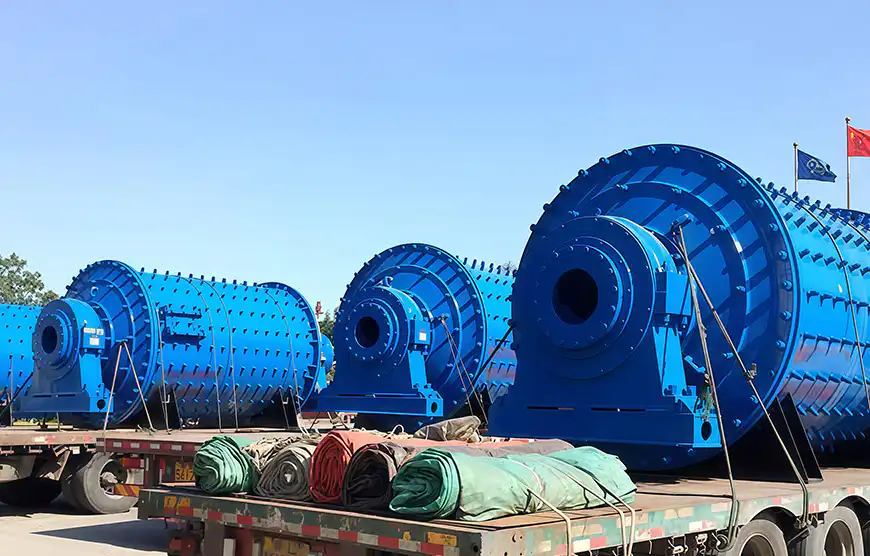
Les broyeurs à boulets humides utilisent de l'eau ou un autre liquide comme milieu, ce qui forme non seulement une suspension avec le matériau broyé, mais fournit également une lubrification pendant le processus de broyage. Cette configuration tend à produire des particules plus fines en raison du mouvement et de l'interaction continus des boulets et de la suspension. De plus, le liquide ajouté aide à réduire la poussière et améliore l'efficacité du processus de broyage. Le broyage humide est généralement utilisé dans les applications où le produit doit être à l'état de suspension, comme dans la production d'argile, de matériaux céramiques ou de produits alimentaires.
Broyeur à boulets sec :
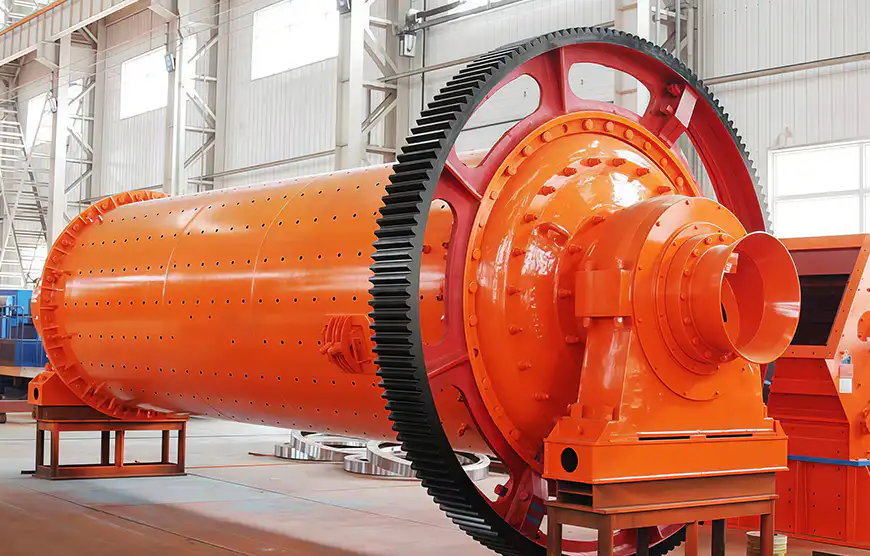
En revanche, les broyeurs à boulets secs fonctionnent sans aucun liquide, ne comptant que sur la gravité et l'interaction mécanique. Ce type de broyage est propice aux matériaux qui doivent être séchés ou à ceux qui ne sont pas compatibles avec l'eau. Le broyage à sec est souvent utilisé pour produire des poudres pour les peintures, les produits pharmaceutiques et d'autres industries. L'absence de milieu liquide signifie que le contrôle de la taille des particules peut être plus difficile, ce qui peut potentiellement conduire à des produits plus grossiers.
En fin de compte, le choix entre le broyage à boulets humide et sec dépend des exigences spécifiques du matériau traité et des propriétés souhaitées du produit final.
Plage de tailles
Impact de la taille des boulets sur l'efficacité du broyage
La taille des boulets de broyage utilisés dans un broyeur à boulets influence considérablement l'efficacité du processus de broyage et la qualité du produit final. Divers facteurs, notamment les caractéristiques du matériau, les conditions de fonctionnement du broyeur et les objectifs spécifiques de l'opération de broyage, déterminent la taille idéale des boulets pour des performances optimales. Voici un examen plus approfondi de l'impact des différentes tailles de boulets sur le processus de broyage.
1. Transfert d'énergie et force d'impact
La taille des boulets affecte la manière dont l'énergie est transférée pendant le processus de broyage. Les boulets plus gros ont une plus grande masse et peuvent transmettre plus d'énergie à chaque impact, ce qui les rend efficaces pour broyer des particules plus grosses et plus dures. Cependant, si les boulets sont trop gros par rapport au matériau traité, ils peuvent ne pas atteindre l'efficacité de broyage souhaitée. À l'inverse, les boulets plus petits fournissent moins d'énergie par impact, mais peuvent créer des tailles de particules plus fines en raison d'un plus grand contact de surface et d'impacts plus fréquents.
2. Réduction de la taille des particules
L'énergie générée par les boulets est un facteur crucial dans le processus de réduction de la taille des particules. Les boulets plus gros ont tendance à être plus efficaces pour réduire les particules plus grosses lors des premières étapes du broyage. À mesure que le matériau progresse vers des tailles plus fines, les boulets plus petits deviennent plus efficaces car ils peuvent créer des interactions de surface plus élevées et faciliter le broyage de particules plus petites. Cela signifie que pour atteindre un équilibre optimal dans le broyage, un mélange de différentes tailles de boulets est souvent recommandé.
3. Distribution de la taille des boulets
L'utilisation d'une combinaison de différentes tailles de boulets (une charge de boulets graduée) peut améliorer l'efficacité globale du broyage. Cette approche permet une meilleure segmentation de l'énergie : les boulets plus gros fournissent l'énergie d'impact pour le matériau grossier, tandis que les boulets plus petits contribuent à la réduction finale de la taille des particules fines. Cette réduction progressive de la taille conduit à une granulométrie plus uniforme du produit et peut améliorer le débit global.
4. Taux de remplissage
Le taux de remplissage du broyeur à boulets fait référence à la proportion du volume du broyeur occupée par le milieu de broyage. Différentes tailles de boulets affectent le taux de remplissage et, par conséquent, l'efficacité globale de l'opération de broyage. Les boulets plus petits nécessitent généralement un taux de remplissage plus élevé pour obtenir un transfert d'énergie similaire à celui des boulets plus gros. Trouver le taux de remplissage optimal par rapport à la taille des boulets utilisés est essentiel pour maximiser l'efficacité du broyage.
5. Usure
Différentes tailles de boulets ont également un impact sur les taux d'usure du milieu de broyage et du broyeur lui-même. Les boulets plus gros peuvent provoquer des taux d'usure plus élevés sur les blindages en raison de forces d'impact plus importantes. D'un autre côté, les boulets plus petits peuvent s'user plus rapidement, nécessitant des remplacements plus fréquents. Comprendre le compromis entre la taille des boulets, les taux d'usure et les coûts est essentiel pour maintenir un fonctionnement efficace.
6. Qualité du produit final
La distribution granulométrique (PSD) du produit final est fortement influencée par la taille des boulets de broyage. Un choix judicieux de la taille des boulets permet d’optimiser la PSD, ce qui confère au produit final des propriétés souhaitables. Des particules plus fines, obtenues grâce à des boulets plus petits, peuvent améliorer des caractéristiques telles que la réactivité et la solubilité, ce qui les rend essentielles dans des secteurs comme l’industrie pharmaceutique, la céramique et la construction.
7. Conditions opératoires
L’efficacité des différentes tailles de boulets peut également dépendre de paramètres opérationnels tels que la vitesse du broyeur, le type de matériau traité et la durée de broyage. Des vitesses de broyeur plus élevées peuvent accentuer l’importance de la taille des boulets, car les forces centrifuges influencent la trajectoire des boulets et leur impact ultérieur sur le matériau.
Coût
Analyse des coûts des opérations de broyeur à boulets
Les broyeurs à boulets sont des composants essentiels dans diverses industries, notamment dans le secteur minier et le traitement des minerais. Une compréhension approfondie des coûts associés à leur exploitation est cruciale pour maintenir la rentabilité. Cette analyse décompose les différentes composantes des coûts et explore les stratégies visant à améliorer l’efficacité des coûts.
1. Composantes des coûts des opérations de broyeur à boulets
- Investissement initial en capital: Cela inclut les coûts d’achat du broyeur à boulets lui-même, ainsi que des équipements associés tels que les alimentateurs, les convoyeurs et les classificateurs. Selon les spécifications et la capacité, ces coûts initiaux peuvent être substantiels.
- Coûts opérationnels:
- Coûts énergétiques: Une part importante des dépenses opérationnelles totales dans les opérations de broyeur à boulets est attribuée à la consommation d’énergie. Les broyeurs à boulets consomment de grandes quantités d’électricité pour tourner et broyer les matériaux, et les prix de l’électricité peuvent avoir un impact significatif sur les coûts globaux.
- Coûts de main-d’œuvre: De la main-d’œuvre est nécessaire pour faire fonctionner les broyeurs, entretenir les équipements et gérer l’ensemble du processus. Ainsi, les niveaux d’effectifs et les taux de rémunération influencent les coûts opérationnels.
- Coûts d’entretien et de réparation: Un entretien régulier est essentiel pour garantir des performances optimales et minimiser les temps d’arrêt. Cela inclut les coûts liés aux inspections de routine, à l’usure des corps broyants, ainsi qu’au remplacement des blindages, des roulements et d’autres composants.
- Coûts des corps broyants: Le type et la quantité de corps broyants ont un impact direct sur les dépenses opérationnelles. Les boulets en acier, les boulets en céramique ou d’autres corps broyants présentent des coûts d’achat, des taux d’usure et des durées de vie différents, ce qui affecte le budget global de broyage.
- Consommables de procédé: Des consommables supplémentaires tels que les blindages et pièces d’usure, les lubrifiants et autres produits chimiques contribuent aux coûts opérationnels. La fréquence de remplacement et le prix unitaire peuvent affecter considérablement les dépenses globales.
- Coûts liés aux déchets et à l’environnement: L’élimination des résidus de broyage, les mesures de contrôle des poussières et la conformité aux réglementations environnementales peuvent entraîner des coûts supplémentaires.
- Amortissement: L’amortissement des équipements et des infrastructures associées doit être pris en compte dans l’analyse globale des coûts, car il affecte la planification financière à long terme des opérations.
2. Moyens d’améliorer la rentabilité
Formation complète du personnel: Une main-d’œuvre correctement formée peut optimiser le fonctionnement des équipements, réduire les erreurs et augmenter l’efficacité globale. Des sessions de formation régulières peuvent aider le personnel à se tenir au courant des dernières technologies et des meilleures pratiques.
Efficacité énergétique: Réduire la consommation d’énergie est l’un des moyens les plus efficaces de diminuer les coûts opérationnels. La mise en œuvre de technologies avancées, l’optimisation de la vitesse du broyeur et l’utilisation de variateurs de fréquence peuvent améliorer l’efficacité énergétique. Une surveillance régulière de la consommation d’énergie et des ajustements des paramètres de broyage peuvent également générer des économies.
Optimisation des corps broyants: Choisir le type et la taille appropriés des corps broyants peut améliorer l’efficacité du broyage et réduire les coûts de remplacement. L’utilisation d’une combinaison de différentes tailles de boulets peut conduire à un meilleur transfert d’énergie et à une meilleure distribution granulométrique, réduisant ainsi la consommation globale de corps broyants.
Entretien régulier et mises à niveau: Investir dans un entretien régulier peut éviter des temps d’arrêt coûteux et prolonger la durée de vie des équipements. La mise à niveau vers des blindages à haute efficacité et des matériaux résistants à l’usure peut réduire les taux d’usure, économiser sur les coûts de remplacement et améliorer la productivité.
Optimisation des procédés: L’emploi de stratégies de contrôle des procédés, telles que la surveillance en temps réel et les ajustements automatisés, peut optimiser le processus de broyage. Le réglage fin des taux d’alimentation, de la vitesse du broyeur et de la composition de la charge de broyage peut conduire à une amélioration du débit et à une réduction des coûts opérationnels.
Investissement dans l’automatisation: Les technologies d’automatisation peuvent aider à minimiser les coûts de main-d’œuvre, améliorer le contrôle des procédés et accroître l’efficacité opérationnelle. Les systèmes automatisés de surveillance et d’ajustement des opérations de broyage peuvent conduire à de meilleures performances et à une meilleure allocation des ressources.
Minimisation des déchets et amélioration de la gestion environnementale: La mise en œuvre de stratégies efficaces de gestion des déchets peut réduire les coûts d’élimination et améliorer la conformité environnementale. Une utilisation efficace des ressources minimise la production de déchets et améliore la rentabilité.
Efficacité
Optimisation du processus de broyage : techniques pour améliorer l’efficacité et le rendement
L’optimisation du processus de broyage dans les broyeurs à boulets et autres systèmes de broyage est essentielle pour maximiser l’efficacité, réduire les coûts opérationnels et améliorer la qualité du produit. Plusieurs techniques et stratégies peuvent être employées pour obtenir des performances de broyage et un rendement améliorés. Voici les méthodes clés à considérer :
1. Contrôle des procédés et automatisation
- Surveillance en temps réel: La mise en œuvre de systèmes de surveillance en temps réel pour des paramètres tels que la granulométrie, le débit, la température et la consommation d’énergie permet des ajustements immédiats pour optimiser les conditions de broyage.
- Systèmes de contrôle automatisés: L’utilisation de systèmes de contrôle automatisés, tels que le contrôle avancé des procédés (APC), peut aider à maintenir des conditions opératoires optimales en ajustant automatiquement les variables en fonction des retours des systèmes de surveillance.
2. Optimisation des corps broyants
- Sélection du type et de la taille des corps broyants: Le choix du type et de la taille appropriés des corps broyants est crucial. Des corps broyants plus petits peuvent produire des particules plus fines, tandis que des corps broyants plus grands sont mieux adaptés pour broyer des matériaux plus grossiers. Une combinaison de différentes tailles de corps broyants peut maximiser le transfert d’énergie et l’efficacité du broyage.
- Gestion de l’usure des corps broyants: La surveillance des taux d’usure des corps broyants et l’optimisation de leurs calendriers de remplacement peuvent conduire à des économies et à une amélioration des performances de broyage. L’utilisation de matériaux durables peut également améliorer la longévité des corps broyants.
3. Ajustement des paramètres opératoires
- Optimisation de la vitesse du broyeur: L’ajustement de la vitesse de rotation du broyeur peut influencer le transfert d’énergie et l’efficacité du broyage. Un fonctionnement en dessous de la vitesse critique optimise l’effet de cascade des corps broyants et peut améliorer les résultats de broyage.
- Contrôle du niveau de remplissage: Le maintien du niveau de remplissage optimal du broyeur assure un contact adéquat entre les corps broyants et le matériau traité. Un broyeur sous-rempli peut entraîner un broyage inefficace, tandis qu’un broyeur sur-rempli peut conduire à une usure excessive et à une consommation d’énergie accrue.
- Gestion du temps de séjour: L’ajustement du temps de séjour des matériaux dans le broyeur peut aider à atteindre la granulométrie souhaitée. Cela peut être contrôlé en régulant le taux d’alimentation, le mécanisme de décharge et les caractéristiques d’écoulement du matériau.
4. Implication des propriétés des matériaux
- Réduction de la taille d’alimentation: Le pré-broyage des matériaux plus gros avant de les introduire dans le broyeur à boulets peut conduire à des économies d’énergie significatives et à une amélioration de l’efficacité du broyage, permettant au broyeur de fonctionner plus efficacement.
- Compréhension des caractéristiques des matériaux: L'analyse des propriétés physiques et chimiques des matériaux traités (par exemple, dureté, granulométrie, teneur en humidité) permet d'ajuster de manière ciblée les conditions de broyage pour optimiser le processus.
5. Conception de Circuits Intégrés
- Configuration des Circuits: La conception d'un circuit de broyage intégré comprenant des classificateurs ou des cribles pour recycler les matériaux grossiers dans le broyeur peut améliorer l'efficacité globale. Les opérations en circuit fermé donnent généralement de meilleurs résultats que les processus en circuit ouvert.
- Opérations Discontinues vs. Continues: Le choix entre des processus de broyage discontinus ou continus, selon l'application, peut influencer la productivité. Les opérations continues peuvent offrir un débit constant et un contrôle précis de la granulométrie.
6. Optimisation de la Conception des Revêtements et de l'Équipement
- Matériau et Conception des Revêtements: La sélection de matériaux et de conceptions de revêtements appropriés peut réduire l'usure et améliorer l'écoulement des matériaux et des corps broyants. Des revêtements bien conçus peuvent optimiser l'action de broyage et prolonger la durée de vie du broyeur.
- Pratiques de Maintenance Régulière: La mise en œuvre de stratégies de maintenance préventive garantit un fonctionnement fluide de l'équipement. Des inspections régulières des équipements, des revêtements et des mécanismes de décharge réduisent les temps d'arrêt imprévus et les coûts de maintenance.
7. Utilisation des Additifs
Additifs Minéraux: Dans certains cas, l'ajout de minéraux spécifiques pendant le processus de broyage peut améliorer les taux de récupération des métaux et la qualité globale du produit.
Adjuvants de Broyage: L'introduction d'adjuvants de broyage — des produits chimiques qui améliorent l'efficacité du processus de broyage — peut aider à réduire la consommation d'énergie et améliorer la fluidité du matériau, conduisant à de meilleures performances.
